Medical Supplies 101
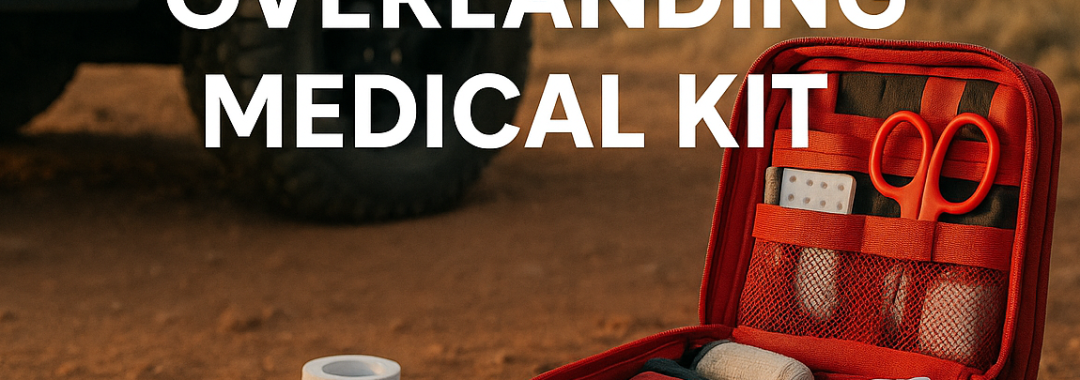
🩺 Overlanding/Off-Roading Medical Kit
1. Basic First Aid
- Adhesive bandages (various sizes)
- Sterile gauze pads & rolls
- Medical tape (cloth and waterproof)
- Elastic bandages (ACE wraps)
- Antiseptic wipes & solution (povidone-iodine or chlorhexidine)
- Antibiotic ointment (triple antibiotic)
- Alcohol pads
- Cotton swabs
- Burn gel packets or hydrogel dressings
- Steri-Strips / butterfly closures
2. Trauma / Serious Injuries
- Trauma shears (for cutting clothing/seatbelts)
- Nitrile gloves (multiple pairs)
- Israeli bandage / emergency trauma dressing
- Tourniquet (CAT or SOFT-T recommended)
- Hemostatic gauze (QuikClot or Celox)
- Chest seal (vented preferred)
- SAM splint (universal splint for fractures/sprains)
3. Medications (OTC)
- Pain relievers: ibuprofen, acetaminophen, aspirin
- Antihistamines: diphenhydramine (Benadryl), loratadine (Claritin)
- Antacids (Tums, famotidine)
- Anti-diarrheal (loperamide)
- Oral rehydration salts or electrolyte packets
- Motion sickness tablets (meclizine or Dramamine)
- Hydrocortisone cream (for rashes/insect bites)
4. Specialized Items for Overlanding
- Eye wash / sterile saline solution
- Tweezers (fine-tip for splinters/ticks)
- Snake bite suction kit (optional – mainly psychological reassurance, not recommended for actual venom removal)
- Instant cold packs
- Heat packs
- Space blankets (thermal emergency blankets)
- CPR face shield or pocket mask
- Small flashlight/headlamp (with spare batteries)
5. Field Care & Survival Integration
- Trauma card / quick reference guide
- Notebook & waterproof pen (document injuries)
- Duct tape (multi-purpose repair + medical improvisation)
- Water purification tablets (in case stranded)
- Extra clean water (for flushing wounds, not just drinking)
- Hand sanitizer
6. Storage & Organization
- Durable waterproof case (Pelican, dry bag, or MOLLE pouch system)
- Items packed in clear resealable bags for quick ID
- Labeled sections: “Bleeding,” “Meds,” “Burns,” “Splints,” etc.
NEW PARTNER!
NTX Overland is now an affiliate partner with Trailsoffroad!
If you are looking for a good trail map you can use our discount code NTX_OVERLAND and get a 25% off All Access membership!  If you already have a free account and want to upgrade to all access, you will get 10$ off
https://www.trailsoffroad.com/all-access?coupon=ntx_overland

Trailsoffroad.com
———————–
For anyone curious, affiliate marketing programs help return money back into our community, we are not profiting off of the links/signups, only recouping the costs for the money we personally spend on things like stickers and giveaway items
T-shirt Preorder!
Ladies and gentlemen it’s time for our fall T-shirt pre order!

Recovery 101
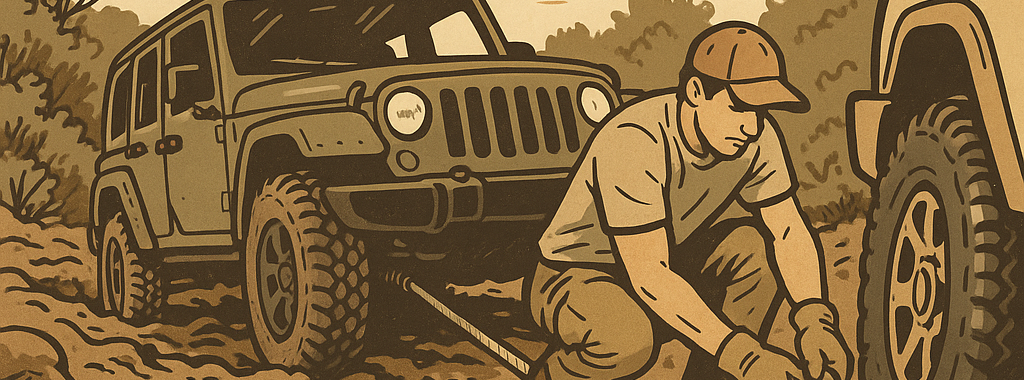
đź§ Recovery 101: Get Unstuck the Smart Way
Let’s face it—if you’re wheeling hard, you’re gonna get stuck. And honestly? That’s part of the fun. But how you get out says a lot about your rig, your gear, and your trail smarts. Welcome to Recovery 101, where we break down the essentials every off-roader should have before heading out and what to do when your tires stop spinning.
🎯 Know the Situation
First rule of recovery? Stop. Think. Assess. Are you buried in mud? Perched on a rock? Frame-deep in snow? Your recovery approach depends on the terrain and how bad it really is. Don’t just yank and pray—get a game plan.
đź§° Must-Have Recovery Gear
There are a few pieces of gear no one should hit the trail without. You don’t need to drop thousands—but you do need to come prepared.
- Soft Shackles – Safer and lighter than steel D-rings. Quick to deploy, easy to stow.
- Kinetic Recovery Rope – Built for snatching. That stretch means smoother pulls with less shock load on both rigs.
- Recovery Strap Kit – A solid go-to for medium to heavy pulls. Always match strap rating to your rig’s weight.
- Recovery Boards – Great for solo recovery. Jam them under your tires for grip in sand, snow, or mud.
⚠️ Recovery Rules to Live By
- Use recovery points—not tow balls, not bumpers, and definitely not control arms.
- Keep bystanders clear of straps and ropes. If something fails, it turns into a whip real fast.
- Clear communication is everything. Whether it’s hand signals, radios, or yelling over a revving engine—get on the same page before you pull.
🪛 Bonus Tools That’ll Save Your Day
Beyond straps and ropes, keep these handy:
- Shovel – Dig out those tires or build a ramp.
- Tire deflator + compressor – Lower pressure gets better traction in soft terrain, just don’t forget to air back up.
- Work gloves – Your hands will thank you later.
đź§ Final Thoughts
You don’t need to be a winch wizard to wheel smart—but you do need the basics. Whether you’re wheeling solo or running with a crew, recovery gear isn’t optional—it’s essential. And when you’re geared up right, getting stuck is just another story you’ll be telling around the campfire.
Offroading 101
As you start to make your summer adventure plans, it can be tempting to jump straight out onto the trails. Whether this is your first off-road season, or you’ve been doing it for years, it’s important to remember that safety should always come first!
Keep reading for our list of Do’s and Don’ts to make sure you have a fun and safe off-road adventure this summer!
‍
Do: Plan Ahead
While there’s a tendency to assume that any “real adventure” should have a certain level of spontaneity and unpredictability, the truth is that off-roading is not an activity that should be taken lightly. It’s important to have a solid plan in place before setting out on your adventure. This not only ensures your safety but also allows you to fully enjoy the experience without any unnecessary stress or worry. Familiarize yourself with the local regulations, permits, and any specific rules for off-roading. Understand the terrain, weather conditions, and potential hazards you might encounter. Plan your route, inform someone about your itinerary, and use apps and gadgets designed for those journeys.
‍
Don’t: Go Alone
The last thing you want is to get stuck on a rock in the middle of nowhere with no phone service and no way to get back to the main road. Always make sure to bring a buddy (or travel in a pack!) when you’re taking the road less traveled. Not only is it way more fun, but they’ll be there to help you out of a bind if and when you need it. Don’t have any Jeep buddies? The good news is that both Jeep and Broncos have incredibly rich communities, and chances are there’s a local group that you can join for all your off-roading fun!
‍
Do: Use Suitable Off-Road Vehicles and Equipment
Let’s face it, you wouldn’t go off-roading in a Mini (or maybe you would, and frankly, we’d love to see it). Having the right equipment is a game changer when it comes to maximizing fun out on the trails. Making sure you’ve got the right vehicle (e.g. A Jeep Wrangler, or Ford Bronco) and any essentials like a spare tire, recovery gear (such as a tow strap and winch), a first-aid kit, and emergency supplies will help make sure you don’t have to turn back at the first obstacle.
You’ll also want to make sure that you’ve prepped your vehicle for the environment. Driving your new Jeep or Bronco right off the lot and into the mountains may not be the best idea. Do some research to find out which mods will help you have the most fun out on the trails. Not only that, you’ll want to add some protective gear to your off-road warrior before you head out so that you’re not facing a massive repair bill when you get home. From underbody protection to a protective film for the windshield there are tons of options to keep you out on the road even after a weekend of off-road fun.
‍
Don’t: Push Beyond Your Limits
Regardless of how extreme you take it; off-roading can be addicting. It’s what makes certain headaches associated with driving a Wrangler or Bronco worth it for many of us!
But as much as that adventure is what we’re looking for, it’s always essential to recognize and respect your limits. It’s one thing to take the road less traveled, it’s another to take a serious risk that could end up in you or your fellow Jeepers getting hurt. If it’s your first time, go with a more experienced crew, but make sure that they’re aware that you may need to take it easy the first time and work up to some of the more difficult trails!
Pushing beyond your capabilities can lead to accidents and vehicle damage that are avoidable. Always know your vehicle’s limits and understand when it’s time to get help or find an alternate route.
‍
Do: Be Respectful of the Environment
Last but certainly not least, it’s important to keep in mind that preserving the natural environment is crucial for the sustainability of any off-roading. Respecting the environment allows you to enjoy routes, landscapes, and all the wonders you find when you’re out exploring, and destroying everything in sight just ruins it for everyone else.
Fortunately, there are often protected areas that offer a controlled environment that balances fun and adventure with preservation.
‍A few tips to make sure you’re being responsibility when you’re out there:
- Stick to designated trails to minimize damage to vegetation and wildlife habitats. This will help preserve the area for future generations to enjoy
- Remember to never disturb or harass wildlife, and always avoid littering
- Be sure to steer clear of sensitive areas like wetlands, fragile ecosystems, and protected wildlife reserves.
- And when you’re packing up, make sure to leave no trace behind. That way, you can ensure that others can enjoy the same off-road experiences in pristine surroundings.
Off-roading can be a hell of a lot of fun, but it’s important to be safe about it. If you follow these tips, you’ll have a blast without putting yourself or the environment in danger. Always stay on the designated trails, bring plenty of supplies, and never go alone. With these simple dos and don’ts in mind, you’ll be able to enjoy all the beauty of the great outdoors while keeping it healthy for future generations.
‍
Happy wheeling!